Texas insurance guide · 7 minute read
What information does an insurance agent need for a homeowners quote?
For a Texas homeowners quote, give every agent the same accurate information and current declarations page. A quick estimate can change after property data, claims, inspections, household exposures, and replacement cost are verified.
InsuredNear editorial review · Last reviewed August 15, 2026
Start with the current declarations page
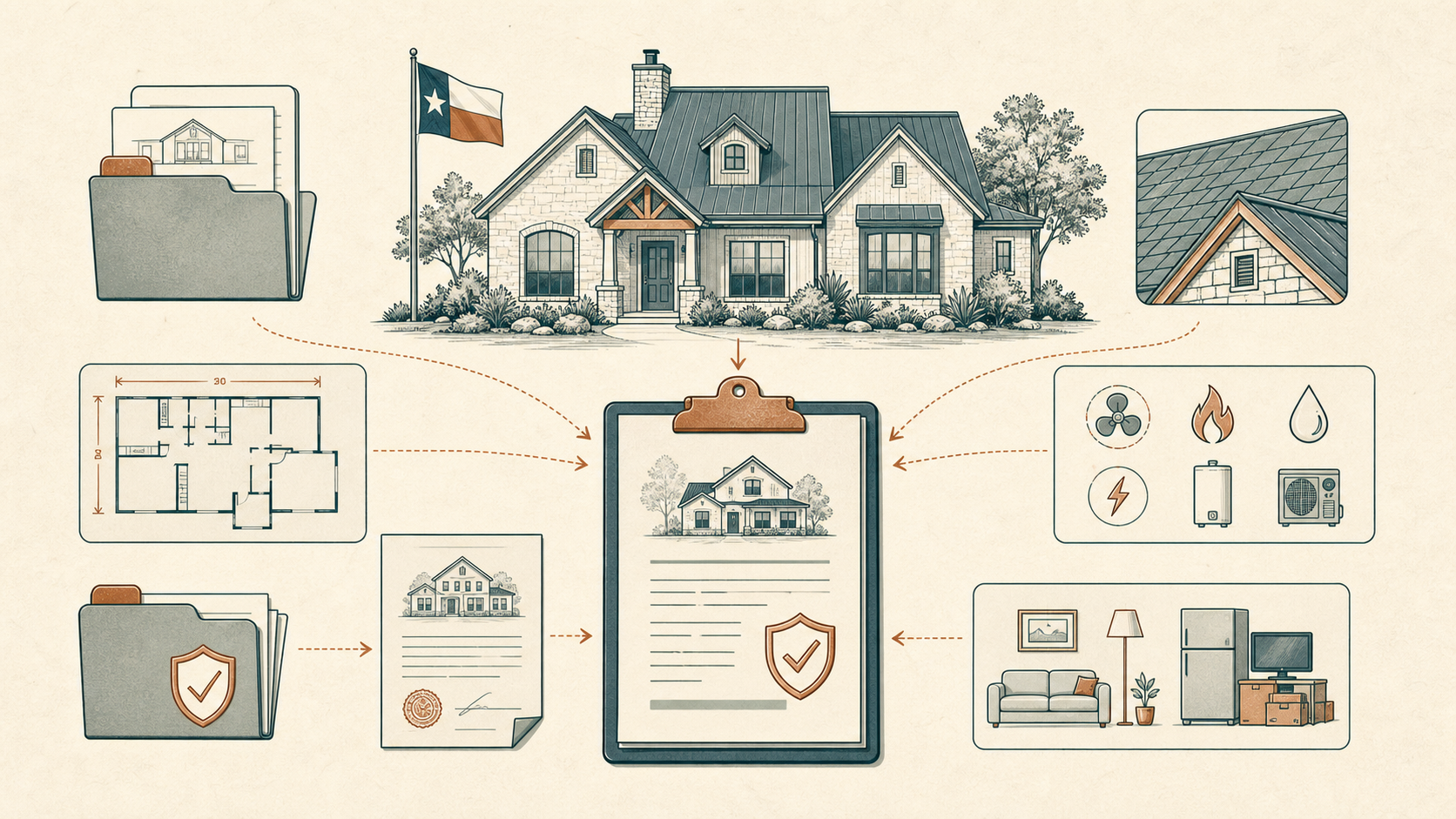
Short answer: an agent usually needs the property address and characteristics, roof and system details, occupancy and household information, prior claims, desired effective date, mortgage information, and the coverage you want. The current declarations page is the best starting point because it summarizes existing limits, deductibles, forms, endorsements, dates, discounts, and property data.
A declarations page is not the complete policy. The Texas Department of Insurance declarations-page guide explains the information it summarizes. Include relevant endorsements when you want a true renewal comparison, particularly roof settlement, water, wind, scheduled property, home-sharing, or liability provisions.
Provide accurate property facts
Insurers use property data to evaluate eligibility and estimate rebuilding cost. Public records and third-party databases may be incomplete, so correct errors before the quote becomes an application.
- Street address, year built, square footage, and number of stories
- Construction, siding, foundation, and roof shape
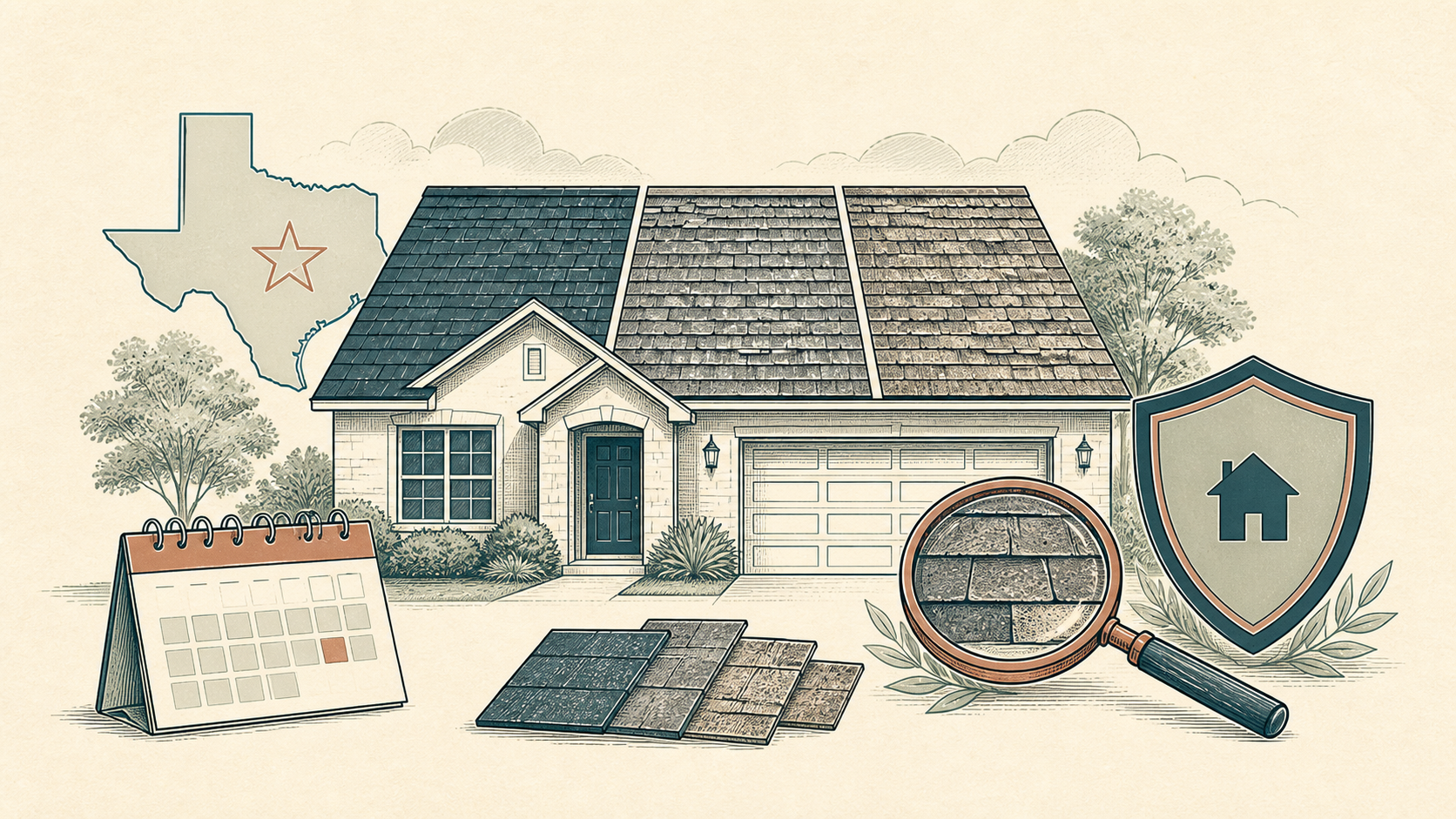
- Roof material, installation year, condition, and documentation
- Heating, electrical, plumbing, and air-conditioning type and update years
- Garage, porch, deck, fence, pool, trampoline, outbuildings, and other structures
- Fire protection, alarm, sprinklers, shutters, and other mitigation features
- Solar panels, generators, batteries, and distinctive finishes
- Distance or access considerations that may affect rebuilding
Describe occupancy and household exposures
Tell the agent who lives in the home and how the property is used. A primary residence, seasonal home, vacant property, long-term rental, short-term rental, home under renovation, and home held by an entity can require different forms or underwriting.
Disclose home businesses, customer visits, employees, child care, animals, pools, trampolines, firearms, watercraft, recreational vehicles, rental property, and other liability exposures. Discuss umbrella insurance when underlying home and auto limits need coordination.
Bring claims and insurance history
Provide accurate loss history for the people and property for the period requested by the insurer, including dates, causes, amounts, repair status, and documentation. Do not omit a claim because another insurer handled it or it closed without payment.
A property seller can obtain a CLUE report showing claims associated with the home. Buyers should ask about past losses and repairs. If a report contains an error, begin correcting it before binding rather than hoping it will not affect the final underwriting decision. Ask the agent which loss-history source an insurer will use and how to dispute an incorrect record.
Choose coverage inputs before comparing price
Ask each agent to quote the same structure wherever feasible. The dwelling limit should follow a replacement-cost estimate, not the purchase price, mortgage balance, or land value. Discuss personal property, other structures, loss of use, liability, medical payments, ordinance or law, water backup, service line, equipment breakdown, and valuable items.
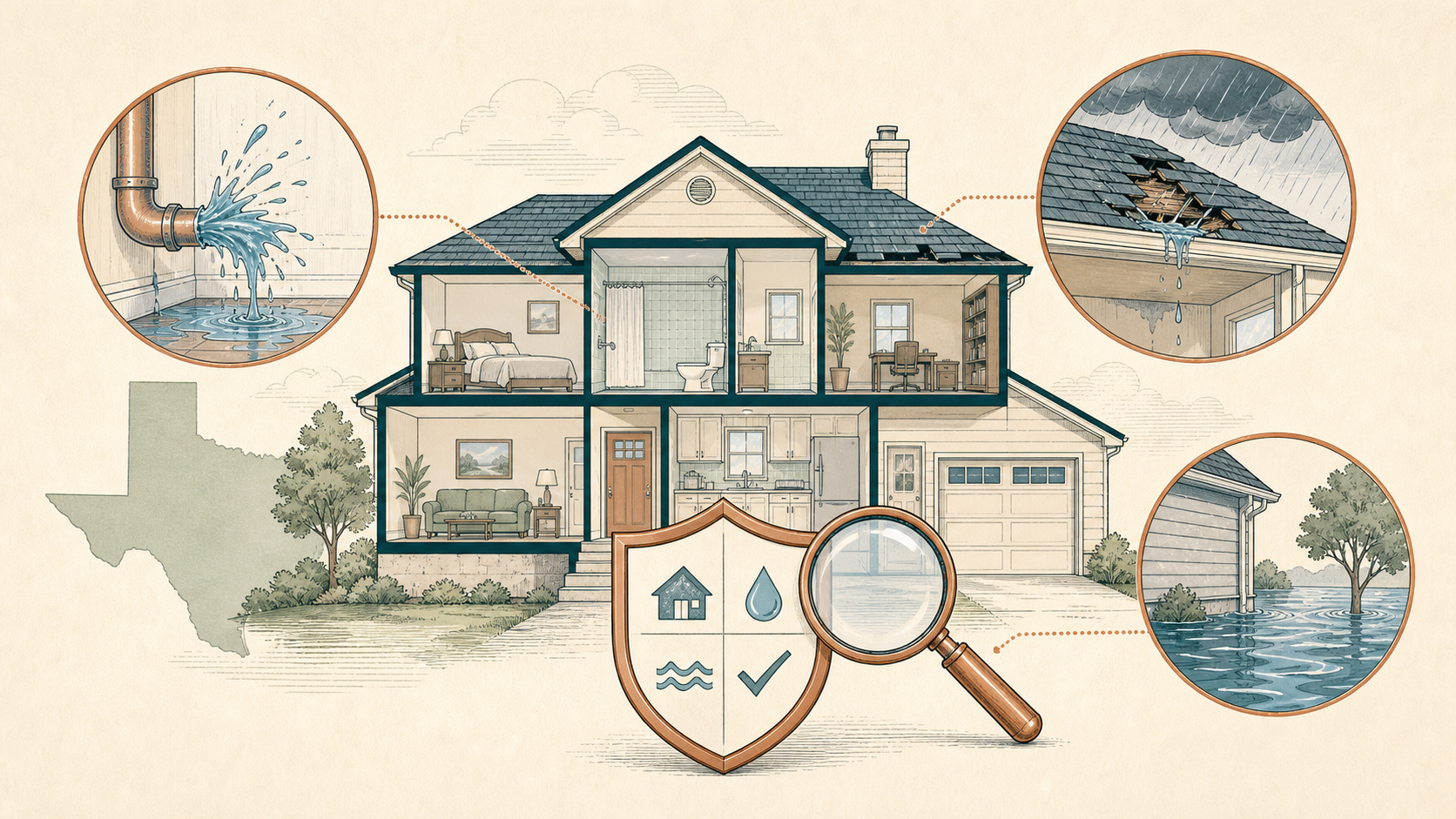
Request written treatment of the roof, wind and hail, water, flood, and cosmetic damage. Use the InsuredNear guides to understand how roof age can affect Texas homeowners insurance, how wind and hail deductibles translate into dollars, and how the cause of water damage can change the coverage analysis. A premium comparison is meaningful only after these choices and assumptions are aligned.
- Desired effective date
- Dwelling replacement-cost estimate
- Replacement cost or actual cash value for dwelling, roof, and belongings
- All-other-perils and wind or hail deductibles
- Liability and medical-payments limits
- Water-backup and other endorsements
- Flood and separate wind coverage
- Valuable items requiring schedules
Include mortgage and transaction details
For a purchase, provide the closing date, lender requirements, mortgagee clause, escrow arrangement, and any insurance deadline within the transaction. Start early enough to address inspections, roof questions, flood coverage, or an unexpected decline before closing.
For a replacement policy, confirm the mortgagee and loan number exactly, bind the new policy, and obtain acceptable proof before canceling the current policy. Coordinate refunds and escrow carefully to avoid duplicate or missed payment.
Expect the quote to be verified
An initial quote may rely on assumptions and can change after claims reports, an insurance score when permitted, replacement-cost software, a property inspection, aerial imagery, roof data, or other underwriting checks. Ask which information source the insurer will use, which items remain unverified, and whether the quote is ready to bind. The TDI home insurance shopping guide provides additional Texas comparison questions.
Review the final application before signing. Correct inaccuracies in writing. An application should describe the actual risk, even when a correction changes the premium or eligibility.
Use one packet for every agent
A standard packet makes differences easier to interpret and reduces repeated follow-up.
- Current declarations page and relevant endorsements
- Completed property and household fact sheet
- Roof and major-system documentation
- Claims history and completed-repair evidence
- Home inventory or high-value item schedule
- Mortgage or closing instructions
- Requested coverage and deductible worksheet
- Questions requiring written answers
Use this quote comparison worksheet
Fill in the policy form or endorsement, not just an agent's verbal description. Use each row as a question when you compare quotes.
| Compare | Quote A | Quote B | Quote C |
|---|
Sources and official tools
Texas-specific guidance on this page was reviewed against these official consumer resources.
- TDI declarations page guide
Official guidance on the policy, home, coverage, and deductible information summarized by a declarations page.
- TDI home insurance shopping guide
A Texas checklist for comparing coverage, deductibles, discounts, and companies.
- TDI questions before buying a home
Property questions involving emergency services, flood, prior claims, roof, and safety features.
- TDI home insurance guide
Texas explanations of policy forms, limits, valuation, exclusions, and shopping.
- TDI agent and company lookup
Verify an agent or insurer before buying.